
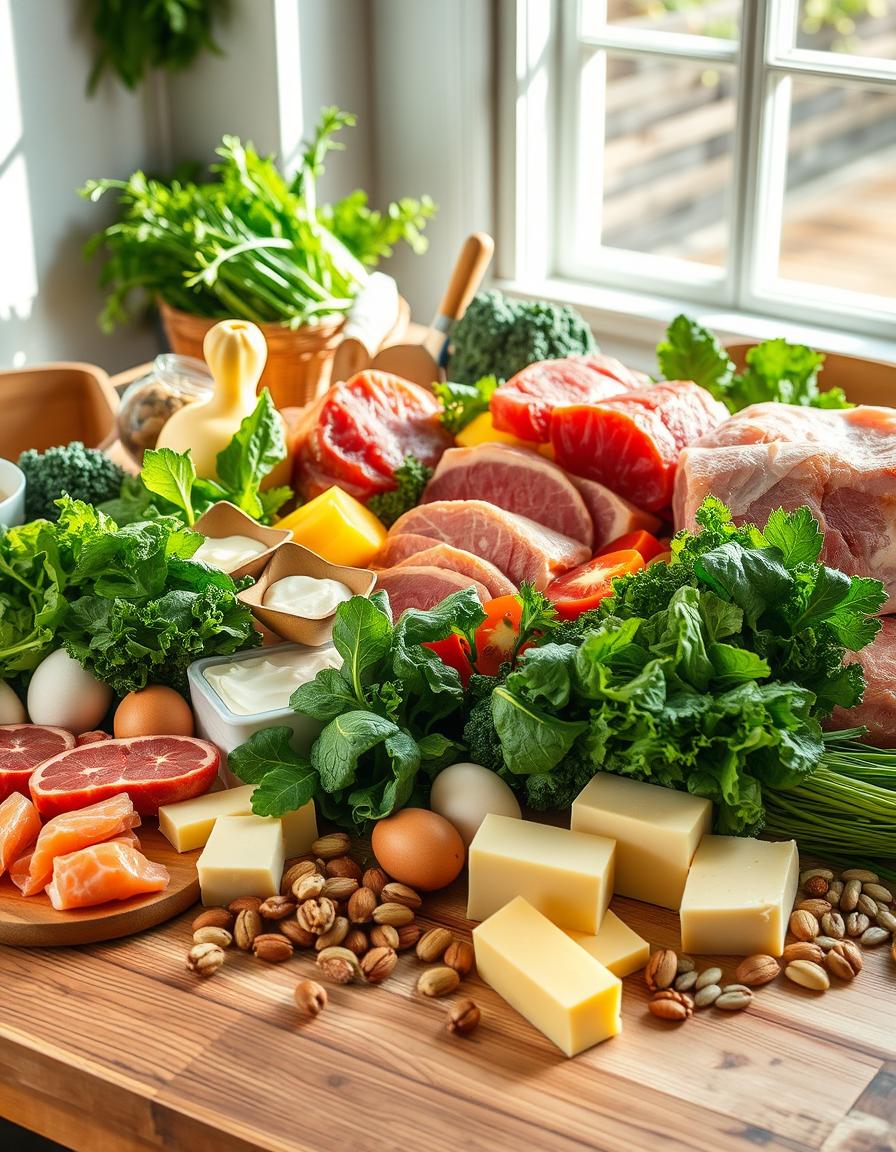
Switching to an animal-based diet can feel like stepping into a new grocery store maze. Instead of wandering through endless aisles of processed snacks and plant-based options, your cart will start to fill with meat, eggs, and other animal products. But what exactly should you pick up? An animal-based diet grocery list is a handy tool that helps you shop confidently, make nutritious choices, and keep your meals exciting and satisfying.
Understanding the Animal-Based Diet
An animal-based diet focuses primarily on foods that come from animals, rather than plants. That means your plate will be rich in meat, fish, eggs, dairy, and some animal fats. Some folks follow this style to improve health, boost energy, or simply enjoy the foods they love without the carbs and plants getting in the way.
The diet is straightforward, but picking the right items can make a big difference. Quality matters because animal foods come from different parts of the animal and vary in nutrition. Having a solid animal based diet grocery list means you’ll have the essentials ready without guesswork.
Core Categories for Your Animal Based Diet Grocery List
To keep things simple and ensure variety, divide your shopping list into key groups. Here’s a break down to help keep your fridge and pantry well-stocked.
| Category | Examples | Notes |
|---|---|---|
| Meat | Beef (steak, ground, liver), Pork (chops, bacon), Lamb | Choose fattier cuts for energy and flavor |
| Fish & Seafood | Salmon, Sardines, Shrimp, Cod, Tuna | Rich in omega-3s and minerals |
| Eggs | Chicken, Duck eggs | Protein powerhouse, versatile in cooking |
| Dairy | Butter, Cheese, Heavy cream | Opt for full-fat and minimal additives |
| Animal Fats | Tallow, Lard, Duck fat | Use for cooking and flavor |
| Broths & Stocks | Bone broth, Meat stock | Great for gut health and flavor boosters |
Meat: The Star of the Show
Meat is the foundation of an animal-based diet. Whether you prefer a juicy ribeye or ground beef for tacos, it’s what will mostly fill your plate. For variety, include different cuts and types like beef, pork, and lamb. Organ meats such as liver and heart are nutritional goldmines, packed with vitamins and minerals you won’t get in typical muscle meat.
Think of organ meats as the secret superheroes of your diet—they often get overlooked but have powerful benefits. If you’re new to eating liver, try mixing small amounts into ground meat to ease your taste buds into it. It’s a unique way to ensure nutrient density without diving in headfirst.
Tips for Buying Meat
- Buy grass-fed or pasture-raised when possible for better fatty acid profiles.
- Look for meat with a good layer of fat; it boosts flavor and keeps you full.
- Don’t forget to include organ meats at least once a week.
Fish and Seafood: Nature’s Omega-3 Package
Seafood is an excellent source of omega-3 fatty acids, which play a role in heart and brain health. Fatty fish like salmon and sardines are star players here. They also contribute iodine and selenium—important minerals often missing from many diets.
If fresh fish isn’t always an option, canned fish like sardines or mackerel make for convenient, budget-friendly picks. Plus, they store well and are simple to add to salads or eat straight from the can.
Shopping Suggestions for Seafood
- Choose wild-caught over farmed fish when possible.
- Include a mix of fatty fish and lean options throughout the week.
- Stock up on canned fish for quick meals or snacks.
Eggs and Dairy: Protein and Fat in a Simple Package
Eggs are the ultimate animal-based convenience food. They’re inexpensive, quick to cook, and packed with protein and healthy fats. Whether scrambled, boiled, or fried, eggs make a fantastic staple.
Dairy products like butter, cheese, and heavy cream add variety and flavor to meals. Full-fat options help keep your energy steady. If you tolerate dairy well, these can be delicious additions. However, if you notice any digestive issues, it might be best to limit or avoid dairy.
Animal Fats: Cooking Essentials
Fats from animals, like tallow or lard, are excellent for cooking because they have high smoke points and add rich flavor. Using these fats instead of vegetable oils aligns perfectly with an animal-based diet philosophy.
Don’t overlook duck fat—it’s a treat when roasting vegetables or pan-frying. These fats keep your meals satisfying and help you absorb fat-soluble vitamins.
Bone Broths and Stocks: Nutrient-Boosting Liquids
Adding bone broth or meat stock to your grocery list pays off in many ways. These liquids are rich in collagen and minerals, supporting joint health and digestion. Making your own bone broth can be a fun weekend project, but store-bought versions work well, too.
For anyone on an animal-based diet, a well-made broth can bring both comfort and nutrition. If you’d like to try a convenient, high-quality option, check out this Carnivore Bone Broth. It’s a great way to get those benefits without the hassle.
Sample Animal Based Diet Grocery List
Here’s a sample shopping list to get you started or keep on hand. Customize it based on your preferences and budget.
- Beef steak (ribeye or striploin)
- Ground beef (80/20 fat ratio)
- Beef liver or heart
- Pork chops and bacon
- Lamb shoulder or leg
- Fresh salmon fillets
- Canned sardines in olive oil
- Large chicken eggs
- Butter (unsalted, grass-fed)
- Hard cheese (cheddar, gouda)
- Heavy cream
- Beef tallow or lard
- Bone broth (homemade or quality store-bought)
Storing and Handling Tips
Because animal products are perishable, proper storage is essential. Freeze meats you won’t use within a few days and keep eggs refrigerated. Purchase smaller batches if you’re new to the diet to avoid wastage.
Label your freezer bags to track how long items have been stored, and try to eat fresh meat within 3–4 days. Bone broth can be poured into ice cube trays and frozen for easy portion control.
Final Thoughts on Shopping Smart
Making a habit of shopping with an animal based diet grocery list can save you time and money. It helps cut down on impulsive buys and ensures you always have the basics on hand to whip up nourishing meals. Remember, variety is key to hitting all your nutritional goals and keeping meals far from boring.
The animal-based diet can seem simple but offers rich flavors and nutrients to fuel your lifestyle. Plus, you might find yourself enjoying the shopping process a bit more when you know exactly what to pick up.
Conclusion
Creating an animal based diet grocery list is a smart way to stay organized and focused on your health goals. Filling your cart with quality meats, fish, eggs, dairy, fats, and broth will set the foundation for delicious, nutrient-rich meals. Whether you’re cooking a hearty steak dinner or enjoying a quick scrambled egg breakfast, having the right ingredients makes all the difference. So next time you head to the store, keep your list handy and shop with confidence. Your body—and taste buds—will thank you!

Swezz is the founder of Burn Zone Diet, a platform dedicated to helping people transform their health through smarter choices and sustainable habits.