
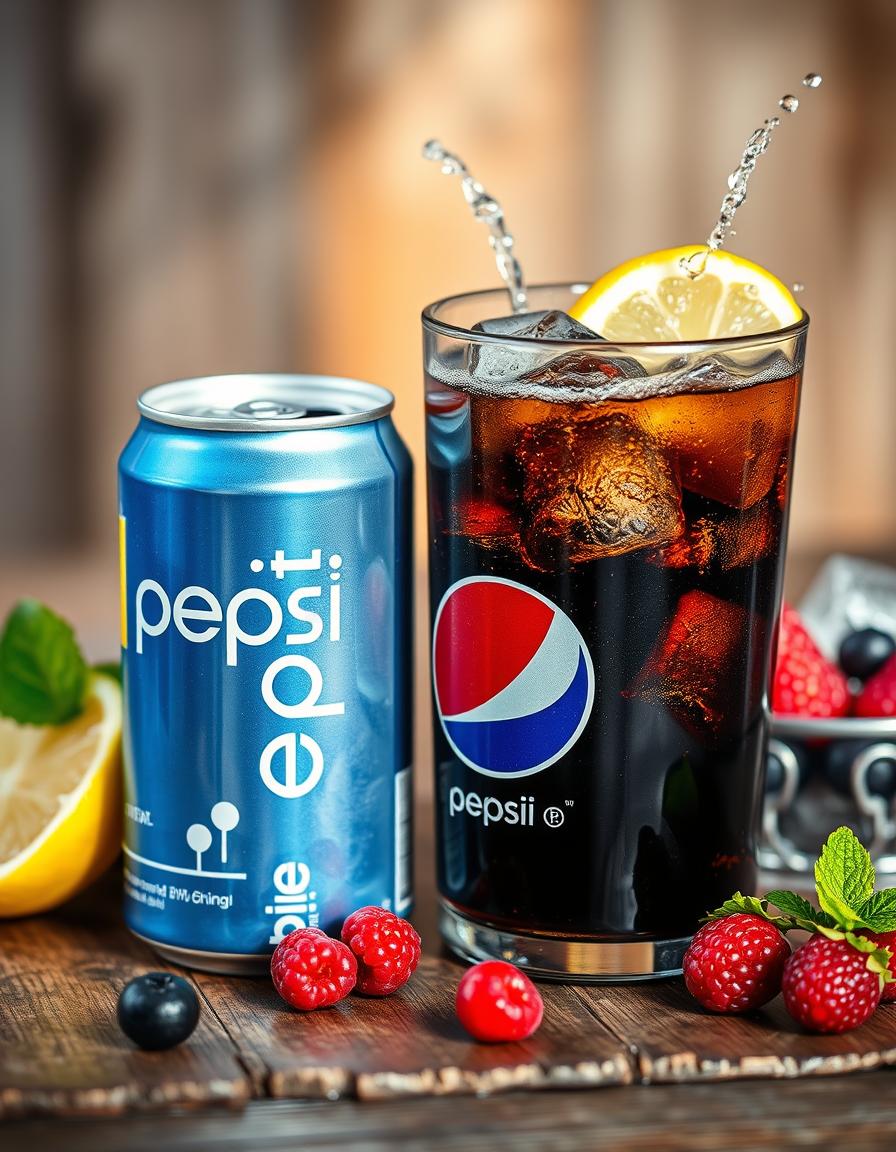
Diet Pepsi has become a popular choice for people who want a fizzy drink without the calories and sugar found in regular soda. But what exactly goes into this bubbly beverage? Understanding diet pepsi nutrition can help you make smarter choices about what you drink and how it fits into your daily diet. Whether you’re sipping it to cut calories or just enjoy the taste, knowing what’s inside your can is important.
What Makes Diet Pepsi Different?
The first thing to remember about Diet Pepsi is that it aims to offer the soda experience with fewer calories and no sugar. It achieves this by replacing sugar with artificial sweeteners. This keeps the taste sweet but cuts down on the extra energy intake. For many, it’s an easy swap to satisfy a craving without adding to their waistline.
Calories and Sugar Content
One of the main reasons people choose Diet Pepsi is because it contains almost zero calories and no sugar. Here’s how the numbers break down per 12-ounce (355 ml) can:
| Nutrient | Amount per 12 oz |
|---|---|
| Calories | 0 |
| Total Sugars | 0 g |
| Carbohydrates | 0 g |
That means you can enjoy a can without worrying about sugar spikes or calories adding up. Of course, this doesn’t mean you should drink gallons of it, but for those monitoring calorie intake, it’s a helpful option.
Ingredients and Their Roles
Diet Pepsi’s ingredient list might look a bit intimidating if you’re not used to reading food labels. Here’s a simple rundown of the key components and what they do:
- Carbonated Water: This is the fizzy part, giving the soda its bubbles and refreshing feel.
- Caramel Color: Adds the dark color typical of colas.
- Phosphoric Acid: Provides a tangy flavor to balance the sweetness.
- Aspartame and Acesulfame Potassium: These artificial sweeteners replace sugar while keeping the taste sweet.
- Caffeine: Adds a mild stimulant effect, which many enjoy for that little energy boost.
- Natural Flavors: A mix of secret ingredients that create the unique Diet Pepsi taste.
- Citric Acid: Enhances flavor and freshness.
Although some people worry about artificial sweeteners, research generally supports their safety when consumed within recommended limits.
Health Considerations of Diet Pepsi Nutrition
Many wonder if drinking Diet Pepsi is a healthier choice compared to regular soda. While it cuts calories and sugar, there are other things to keep in mind.
Artificial Sweeteners: Friend or Foe?
Artificial sweeteners like aspartame and acesulfame potassium provide sweetness without calories. For those managing blood sugar or watching weight, this can be a plus. However, some people report sensitivity to these sweeteners, experiencing headaches or digestive issues. It’s always good to observe how your body reacts.
Caffeine Content
Each 12-ounce can of Diet Pepsi contains roughly 35 mg of caffeine. That’s about a third of what you’d find in a cup of coffee. If you’re sensitive to caffeine or need to limit it for health reasons, keep track of how many cans you drink in a day.
Other Nutritional Points
Diet Pepsi offers no vitamins, minerals, or fiber. So, it doesn’t contribute to your nutritional needs beyond hydration and taste. It’s important to balance your drinks with water and nutrient-rich beverages and foods.
Taste and Popularity
Despite having no sugar, Diet Pepsi manages to keep a sweet, crisp flavor that many people love. The use of artificial sweeteners keeps the flavor close to classic Pepsi without the calories. Some describe it as having a slightly lighter and fizzier feel compared to the original.
Comparisons with Other Diet Sodas
Compared to other diet colas, Diet Pepsi often has a more vibrant taste profile. Some fans swear by its refreshing quality, while others prefer alternatives like Diet Coke or other flavored diet sodas. At the end of the day, it usually comes down to personal preference.
How to Include Diet Pepsi in Your Diet Smartly
Enjoying Diet Pepsi now and then can be a fun and calorie-friendly treat. To make sure it fits well into your lifestyle, here are some tips:
- Limit intake to a moderate amount to avoid too much caffeine or artificial sweeteners.
- Balance your diet with plenty of water and nutrient-rich foods.
- Use it as a substitute for sugary sodas if you’re cutting back on sugar.
- Pay attention to how your body feels after drinking it, especially if you’re sensitive to caffeine or sweeteners.
And if you’re wondering about drinks and nutrition during pregnancy, you might find a useful Pregnancy Diet Chart to help ensure you’re making safe choices.
Fun Facts About Diet Pepsi
- Diet Pepsi was introduced in 1964, making it one of the first major diet sodas on the market.
- It was originally marketed as “Patio Diet Cola,” but the name changed shortly after.
- Unlike regular Pepsi, Diet Pepsi does not use high-fructose corn syrup or sugar.
- Diet Pepsi’s caffeine content is lower than many energy drinks but still enough to give a mild kick.
Nutrition Summary Table
| Nutrient | Amount per 12 oz | Daily Value (%) |
|---|---|---|
| Calories | 0 | 0% |
| Sugars | 0 g | 0% |
| Carbohydrates | 0 g | 0% |
| Caffeine | 35 mg | ~7%* |
*Based on a daily intake of 400 mg caffeine.
Conclusion
Diet Pepsi offers a unique way to enjoy a soda without the sugar and calories that can add up quickly. Its diet pepsi nutrition profile shows zero calories and sugars and moderate caffeine, making it a popular choice among those watching their intake. However, as with any drink, moderation is key. Make sure to listen to your body and balance your beverage choices with plenty of water and nutritious foods. Whether it’s a refreshing soda on a hot day or a treat during a busy afternoon, Diet Pepsi can fit comfortably into a sensible diet.

Swezz is the founder of Burn Zone Diet, a platform dedicated to helping people transform their health through smarter choices and sustainable habits.