
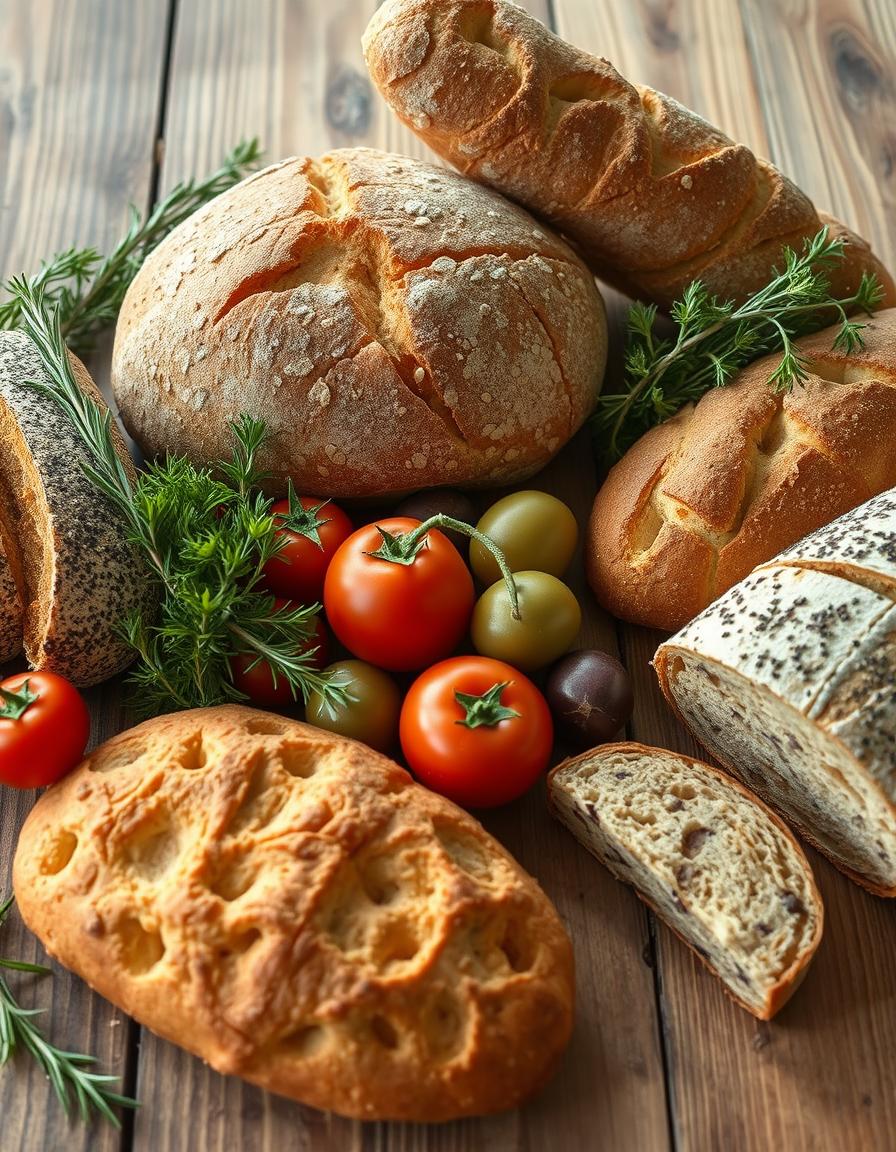
The Mediterranean diet is celebrated for its delicious flavors and health benefits, drawing inspiration from the traditional eating habits of countries bordering the Mediterranean Sea. Fresh vegetables, fruits, nuts, and olive oil often steal the spotlight, but bread also plays an essential role in this vibrant cuisine. Choosing the right kind of bread can significantly impact how well you stick to this wholesome eating plan. Let’s explore the best bread for Mediterranean diet lovers who want to enjoy their carbs the healthy way.
What Makes Bread Suitable for the Mediterranean Diet?
The Mediterranean diet focuses on whole, minimally processed foods. So, when picking bread, the focus should be on ingredients that are natural and nourishing. Bread made with whole grains, seeds, and minimal additives fits this bill perfectly. It’s not just about eating bread but choosing varieties that complement the diet’s emphasis on fiber, vitamins, and healthy fats.
Refined breads, like white bread made from bleached flour, often lack nutrients and spike blood sugar quickly. On the other hand, whole grain or sourdough breads can offer more fiber and a slower release of energy. This makes them a smarter choice to keep your energy levels steady throughout the day.
Best Bread Options for the Mediterranean Diet
1. Whole Wheat Bread
Whole wheat bread is a staple for many Mediterranean meals. It’s made from whole grain wheat flour that retains the bran and germ, packing in fiber and nutrients. This kind of bread helps with digestion and keeps you feeling full longer. Look for breads labeled “100% whole wheat” to ensure you’re getting the real deal, not a mix with refined flour.
2. Sourdough Bread
Sourdough isn’t just delicious with its tangy flavor; it’s also easier on the stomach. The natural fermentation process breaks down some of the gluten and phytic acid in the flour, which may improve digestion and nutrient absorption. Traditional sourdough made with whole grain flour fits beautifully into the Mediterranean approach.
3. Multigrain Bread
Multigrain breads combine several types of grains and seeds such as barley, oats, flaxseeds, and millet. This variety provides a broader nutrient profile, including omega-3 fatty acids and antioxidants. When choosing multigrain bread, ensure the first ingredient is a whole grain, not refined flour, to get the full health benefits.
4. Rye Bread
Rye bread has a distinctive flavor and denser texture compared to wheat bread. It usually contains more fiber and fewer calories, making it an excellent choice for those on a Mediterranean diet. Rye helps regulate blood sugar and provides slow-releasing energy—perfect for busy days or longer workouts.
5. Pita Bread (Whole Wheat)
Pita is a common bread in Mediterranean cuisine. Opt for the whole wheat version to increase fiber intake. Pita is versatile, great for scooping hummus, or stuffing with grilled veggies and lean proteins. Its pocket shape adds a fun twist to sandwich making. Just skip the white pita to keep it nutrient-rich.
Quick Comparison: Nutritional Snapshot of Mediterranean-Friendly Breads
| Bread Type | Fiber (per slice) | Key Benefits | Best Use |
|---|---|---|---|
| Whole Wheat | 3–4g | High fiber, vitamins B and E | Sandwiches, toast |
| Sourdough | 2–3g | Easy digestion, natural fermentation | Open-faced sandwiches, dipping |
| Multigrain | 3–5g | Varied nutrients, omega-3s | Toast, salads |
| Rye | 4g | Regulates blood sugar, slow energy | Hearty sandwiches, snacks |
| Whole Wheat Pita | 2–3g | Fiber, low fat | Wraps, dips |
Tips for Choosing and Enjoying Mediterranean Bread
- Read the label: Choose breads where whole grains are the first ingredient. Avoid ones with added sugars or preservatives.
- Go fresh and local: Mediterranean cultures often buy fresh bread daily. If possible, check out local bakeries for freshly baked whole grain bread.
- Pair wisely: Bread works best when eaten with healthy fats like olive oil, protein-rich foods like beans or fish, and plenty of vegetables.
- Try homemade options: Baking your own bread allows control over the ingredients and ensures quality. Simple sourdough starters or whole wheat recipes can be rewarding.
While bread is a terrific energy source, keep portions moderate to maintain balance in your meals. It’s easy to get carried away with carbs, so pairing bread with nutrient-dense foods helps create satisfying and healthy dishes. If you’re also interested in adding movement to your day without using any gear, there’s a handy resource to check out called No-Equipment Workouts. They’re easy to do anywhere and complement a Mediterranean lifestyle beautifully.
Common Questions About Bread in a Mediterranean Diet
Is white bread ever acceptable?
White bread is generally less nutritious due to removing the bran and germ during processing. It’s best to avoid it or eat it only occasionally while focusing mostly on whole grain versions.
Can gluten-free bread fit the diet?
Yes, gluten-free breads made from whole grains like brown rice or buckwheat can work well. Just ensure they are minimally processed with natural ingredients.
Does bread affect weight gain on this diet?
Like any carb source, bread can lead to weight gain if eaten in excess. Portion control and pairing it with fiber and protein help keep energy stable and weight in check.
Conclusion
Choosing the best bread for Mediterranean diet enjoyment means picking whole grain, minimally processed options that support digestive health and sustained energy. Whole wheat, sourdough, multigrain, rye, and whole wheat pita are excellent choices rich in fiber and nutrients. Keeping portions balanced and combining bread with healthy fats and fresh veggies maximizes both flavor and health benefits. Remember, healthy eating should also be fun—try different breads to discover your favorites and enjoy this timeless, joyful diet to the fullest.

Swezz is the founder of Burn Zone Diet, a platform dedicated to helping people transform their health through smarter choices and sustainable habits.