
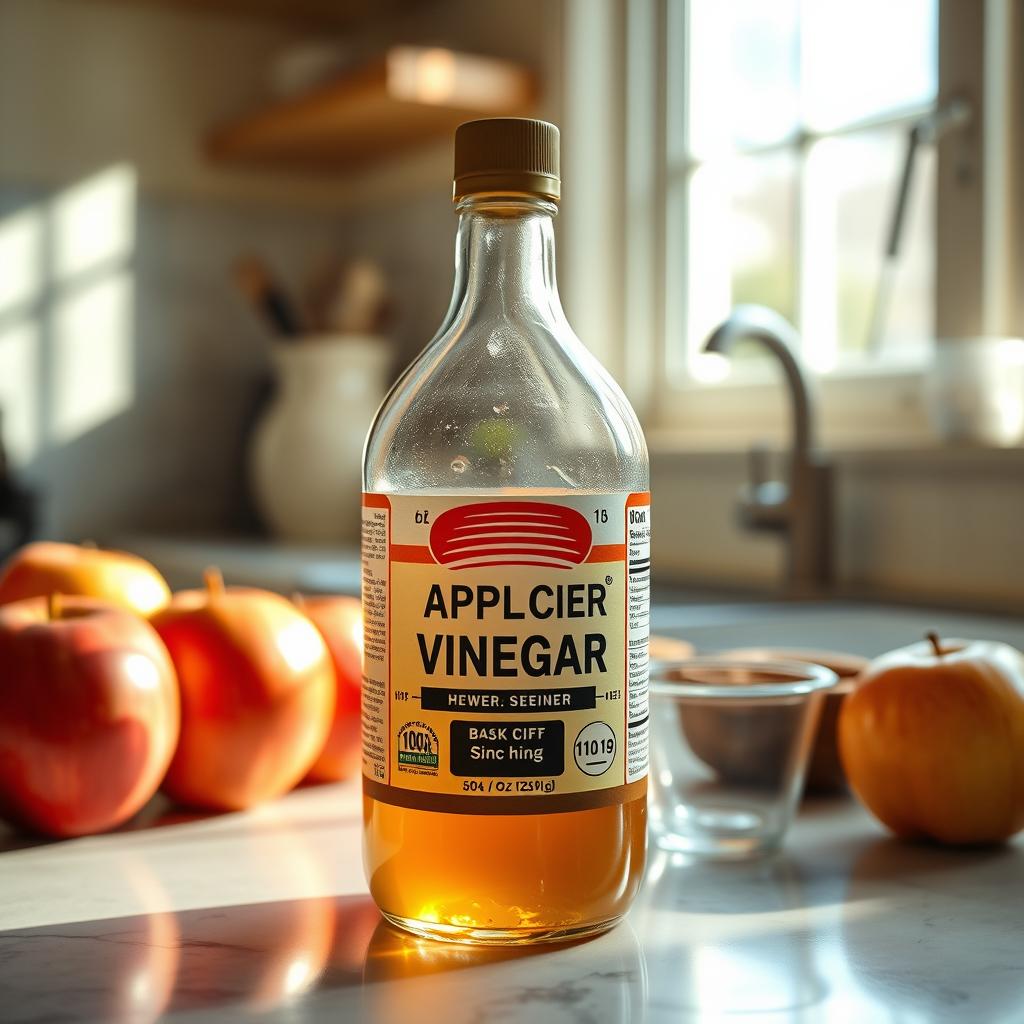
Apple cider vinegar (ACV) is a fermented liquid made from crushed apples, yeast, and bacteria. It’s widely celebrated in the wellness world for its reported benefits, ranging from improving digestion to balancing blood sugar levels. Many people incorporate ACV into their daily routines by drinking it diluted with water, using it in salad dressings, or even applying it topically for skin care. But if you’re expecting, you might wonder: Can pregnant women drink ACV safely?
Pregnancy is a time when even seemingly harmless habits are carefully re-evaluated, and for good reason. What you consume can directly impact both your health and your baby’s. ACV’s potential to aid digestion and support gut health might sound appealing, especially given the common pregnancy woes of bloating and nausea. But there’s a catch: not all ACV is created equal, and not all uses are necessarily safe for pregnant women.
- Raw, unpasteurized ACV: This type poses a slight risk as it may contain harmful bacteria like Listeria or E. coli, which can complicate pregnancy.
- Pasteurized ACV: Considered safer for moms-to-be when consumed in moderation, as the pasteurization process eliminates harmful microbes.
So, can pregnant women drink ACV? The short answer is: Yes, but with precautions. Always opt for pasteurized versions, dilute it properly, and consult your healthcare provider before introducing it into your routine. When used responsibly, ACV can complement a balanced diet without compromising your health or your baby’s well-being.
What Is Apple Cider Vinegar (ACV)?
Apple Cider Vinegar (ACV) has gained significant attention for its purported health benefits, but what exactly is it, and how is it made? Let’s break it down to help you understand if it could be a safe choice especially during pregnancy.
How Is Apple Cider Vinegar Made?
ACV is derived from apples through a two-step fermentation process. First, crushed apples are exposed to yeast, which converts their natural sugars into alcohol. Then, bacteria are added to ferment the alcohol into acetic acid, the core ingredient responsible for its potential health benefits. This process leaves us with the tangy, amber liquid many of us recognize as ACV.
Types of Apple Cider Vinegar
When shopping for ACV, you might notice a few phrases on the label raw, organic, pasteurized. Each type carries distinctive characteristics, and understanding them can help you make an informed choice:
- Raw ACV: Often unfiltered and contains the “mother,” a mix of proteins, enzymes, and probiotics that might offer added health perks.
- Organic ACV: Made from organically grown apples and free from synthetic additives or pesticides.
- Pasteurized ACV: Heat-treated to kill harmful bacteria, making it shelf-stable but potentially less rich in natural enzymes and probiotics.
Nutritional Overview of ACV
Although not packed with vitamins or minerals, ACV offers a noteworthy nutritional profile thanks to its acetic acid content. Here’s a quick breakdown:
| Nutrient | Approximate Amount (per tablespoon) | Potential Benefit |
|---|---|---|
| Calories | 3 | Low-calorie addition to meals |
| Acetic Acid | 5-6% | May aid digestion and regulate blood sugar |
| Probiotics (in raw ACV) | Varies | Supports gut health |
When considering ACV, especially during pregnancy, ask yourself: Is it raw or pasteurized? Experts typically recommend pasteurized options for pregnant individuals to reduce the risk of harmful bacteria. Pairing dietary habits like ACV consumption with fitness routines, such as the dead bug exercise with weight, can further support overall health.
Can Pregnant Women Drink ACV?
For many of us, apple cider vinegar (ACV) is a legendary kitchen staple touted for its potential health benefits from aiding digestion to regulating blood sugar levels. But if you’re pregnant, you might be wondering, “Is ACV safe for me and my baby?” The short answer is: it depends. Let’s dive into what medical professionals say and how you can approach ACV safely during pregnancy.

Safety First: What the Experts Say
According to health experts, ACV is generally safe in moderation, but it’s crucial to tread carefully. Not all ACVs are created equal, and some forms may be better suited for pregnancy than others. The biggest distinction? Raw vs. Pasteurized ACV.
Raw vs. Pasteurized ACV: What’s the Difference?
- Raw ACV: This version is unfiltered and contains the “mother,” a collection of enzymes, proteins, and beneficial bacteria. While this sounds healthy, raw ACV is unpasteurized, which means it could harbor harmful pathogens something your immune system may not handle well during pregnancy.
- Pasteurized ACV: This is heat-treated to kill bacteria, making it the safer choice for pregnant women. It offers the same tangy flavor and many of the benefits without the risk of microorganisms.
Why Consulting Your OB-GYN Is Essential
Every pregnancy is unique, so what works for someone else may not work for you. Before adding ACV to your routine, make it a point to discuss this with your OB-GYN. They can provide personalized advice based on your specific health needs, whether you’re using ACV as part of a recipe or as a diluted drink for digestion.
Final Takeaway
So, can pregnant women drink ACV? The answer is yes but always prioritize pasteurized versions, and never skip consulting your healthcare provider first. Whether it’s a splash in your salad dressing or a way to calm an unsettled stomach, moderation and expert guidance are key.
Potential Benefits of Drinking ACV During Pregnancy
Pregnancy often brings its own set of challenges haven’t we all heard about the indigestion and energy dips? If you’ve been wondering, can pregnant women drink ACV, the answer might surprise you. When used safely and in moderation, apple cider vinegar (ACV) may offer several benefits to support your wellness during this special time.
1. A Gentle Digestive Ally
Digestive discomfort, such as bloating or constipation, can feel all too familiar during pregnancy. ACV, rich in natural acids and enzymes, may help improve digestion by supporting healthy gut bacteria. Many moms-to-be find that incorporating a teaspoon of diluted ACV before meals helps ease that “too full” sensation.
2. Soothing Acid Reflux and Heartburn
Are heartburn and acid reflux keeping you up at night? ACV might help balance stomach acid levels, offering relief from the fiery discomfort. For some, a small, diluted dose can calm the burn, but again, moderation is key.
3. Blood Sugar Regulation
Maintaining stable blood sugar levels becomes increasingly important as your pregnancy progresses. ACV has been shown to enhance insulin sensitivity, which may help regulate blood sugar levels after meals just what you need to keep energy crashes at bay.
4. A Natural Immune Booster
The antimicrobial properties of ACV could provide subtle support to your immune system by fighting off harmful bacteria. While it’s not a cure-all, every little bit helps when you’re focused on staying healthy.
Quick Tips for Getting Started
If you’re considering adding ACV to your diet during pregnancy, here are a few guidelines to follow:
- Always dilute ACV in water to prevent throat irritation or enamel damage.
- Stick to small amounts around 1–2 teaspoons per day are usually sufficient.
- Opt for organic, unfiltered ACV with “the mother” for maximum health benefits.
Remember, pregnancy looks different for everyone, and what works for one person might not work for another. It’s always a good idea to discuss any dietary changes with your healthcare provider, especially when it involves uncharted territory like ACV.
Possible Risks and Side Effects of Drinking ACV During Pregnancy
While apple cider vinegar (ACV) boasts a reputation for its potential health benefits, it’s essential for pregnant women to understand the possible risks and side effects associated with its consumption. Let’s dive into some critical points you should be mindful of before adding ACV to your routine.
1. Tooth Enamel Erosion
The high acidity of ACV can weaken and erode tooth enamel over time, leaving your teeth more vulnerable to decay and sensitivity. If you’re considering drinking ACV, try diluting it with water and using a straw to minimize direct contact with your teeth.
2. Stomach Upset or Nausea
For some individuals, especially those prone to acid reflux or morning sickness during pregnancy, the acidity in ACV might aggravate stomach discomfort, leading to nausea or irritation. It’s always better to test with a small, diluted amount and observe your body’s reaction.
3. Risk of Consuming Unpasteurized ACV
Unpasteurized ACV, while often marketed as “raw” or “natural,” might contain harmful bacteria such as E. coli or Salmonella. These bacteria pose significant risks to pregnant women and their babies. Always ensure you’re choosing pasteurized ACV for safety.
4. Drug Interactions
ACV may interact with certain medications, including insulin or diuretics, by intensifying their effects. This could lead to imbalances such as dangerously low blood sugar or potassium levels. If you’re on any medications, consult your doctor before adding ACV to your diet.
5. Risk of Lowering Potassium Levels
Overconsumption of ACV has been linked to reduced potassium levels, which could lead to muscle weakness, fatigue, or even irregular heart rhythms. For pregnant women, maintaining balanced potassium levels is key to supporting your body and growing baby.
Quick Overview
Here’s a helpful table summarizing the potential risks of consuming ACV during pregnancy:
| Potential Risk | Explanation | Precaution |
|---|---|---|
| Tooth Enamel Erosion | ACV’s high acidity can damage enamel over time. | Use a straw and dilute ACV with water. |
| Stomach Upset or Nausea | Pregnancy-related sensitivity might make ACV harder to tolerate. | Start with small amounts and monitor your reaction. |
| Unpasteurized ACV | May contain harmful bacteria (e.g., E. coli, Salmonella). | Opt for pasteurized ACV only. |
| Drug Interactions | Can amplify effects of insulin or diuretics. | Consult a healthcare provider before use. |
| Lower Potassium Levels | Excessive intake may reduce potassium, affecting muscles and heart. | Use in moderation and seek medical advice if concerned. |
Remember, your body is going through significant changes during pregnancy, and even natural products like ACV should be used cautiously. If you’re unsure about whether ACV is right for you, don’t hesitate to seek advice from your healthcare provider.
How to Safely Take ACV While Pregnant
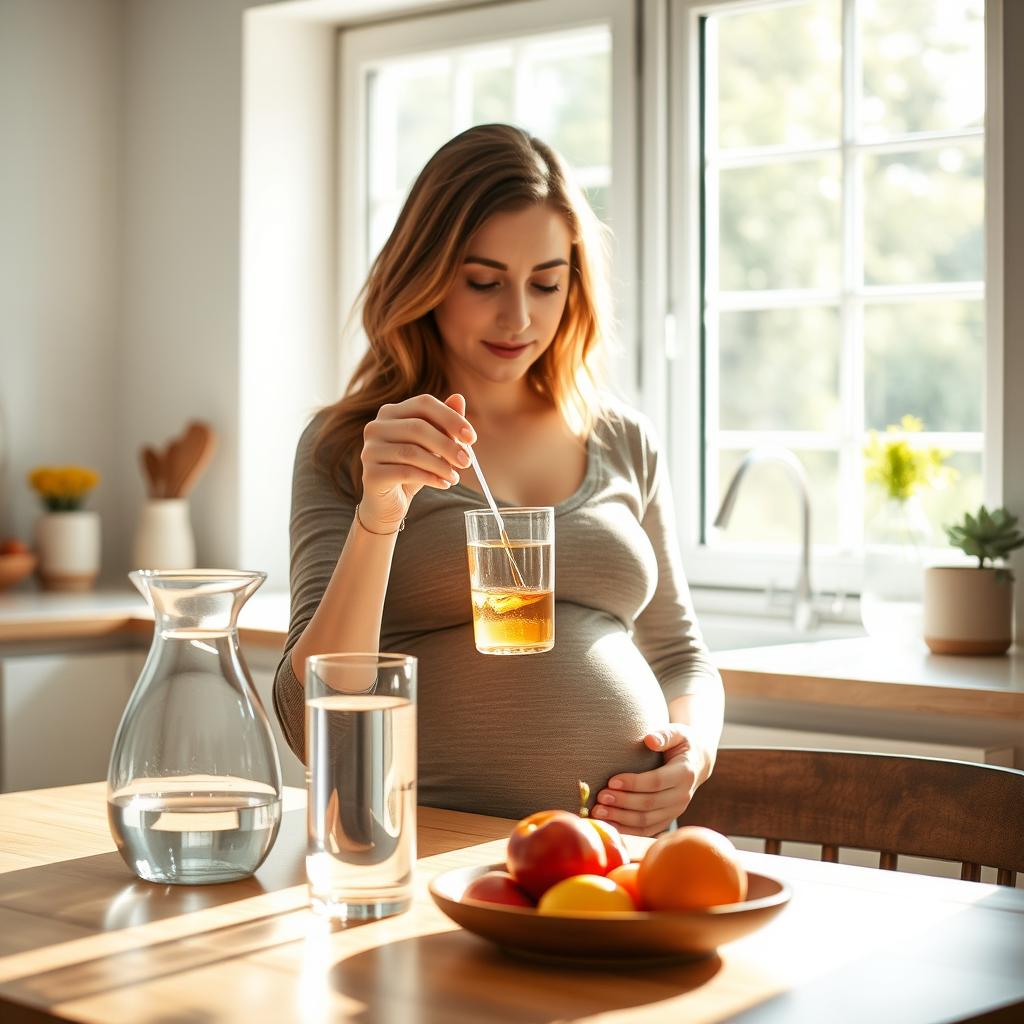
Are you wondering, “Can pregnant women drink ACV?” The good news is, yes, but only if it’s done safely and thoughtfully. Let’s dive into how you can incorporate this tangy staple into your diet without compromising your health or your baby’s.
1. Stick to a Recommended Dosage
Moderation is key. Experts recommend starting small around 1 to 2 teaspoons of ACV diluted in a full glass of water (8 ounces). This amount is generally sufficient to enjoy its potential benefits without overloading your system.
2. Time It Right
Timing matters! For optimal digestion, the best times to consume ACV during pregnancy are:
- First thing in the morning: Drinking diluted ACV before breakfast may help kickstart your metabolism and balance blood sugar levels.
- Before meals: A small amount before eating could aid digestion, especially if you struggle with bloating or sluggish digestion during pregnancy.
3. Always Dilute Never Drink It Straight
ACV is highly acidic and can irritate your throat, esophagus, and tooth enamel if consumed undiluted. Dilution not only makes it more palatable but also significantly reduces potential risks. Mix it with water, or even a warm herbal tea if that’s more soothing.
4. Know When to Avoid ACV
While ACV is generally considered safe in moderation, pregnant women with certain conditions should proceed with caution or avoid it entirely. Skip the ACV if you:
- Have ulcers or a history of gastrointestinal issues.
- Suffer from GERD (acid reflux), as its acidity could worsen symptoms.
- Experience an upset stomach after consuming it listen to your body!
Remember, every pregnancy is different. If you’re unsure whether ACV is right for you, consult your healthcare provider before making it a regular part of your routine. Sometimes, a small tweak can make all the difference in keeping mom and baby happy and healthy!
Expert Opinions and Medical Advice
When it comes to pregnancy, everyone wants to ensure that every bite or sip contributes to the health and safety of both mom and baby. While apple cider vinegar (ACV) has been celebrated in wellness circles for its potential benefits, the question arises: can pregnant women drink ACV? Let’s break down expert advice and evidence to help navigate this conversation.
- Go for pasteurized ACV: This eliminates the risk of bacterial infections, which can be dangerous for both the mother and baby.
- Limit your intake: Experts recommend diluting one to two teaspoons in a full glass of water rather than consuming it straight.
- Consult your doctor: Always seek medical advice to ensure ACV aligns with your specific health needs during pregnancy.
When should ACV be avoided entirely? Pregnant women with a history of acid reflux, gastrointestinal issues, or weakened enamel may want to steer clear altogether. And if you’re ever in doubt, err on the side of caution and consult a trusted healthcare expert. After all, your health and your baby’s come first!
Is ACV Safe for Pregnant Women?
Can pregnant women drink ACV? The answer isn’t a simple yes or no it depends. Apple cider vinegar (ACV) is often touted for benefits like aiding digestion and regulating blood sugar. However, during pregnancy, safety becomes a top priority, and moderation is key. While pasteurized ACV is generally considered safe for most pregnant individuals, it’s critical to be cautious with unpasteurized varieties due to potential bacterial contamination, which could pose a risk to you and your baby.
Here’s how you can enjoy ACV safely:
- Choose pasteurized ACV: This eliminates harmful bacteria and ensures better safety.
- Stick to small amounts: Overuse might lead to digestive discomfort or erosion of tooth enamel.
- Always consult your doctor: Whether it’s ACV or any other supplement, your healthcare provider knows you best.
Remember, what works for one person might not work for another. So, if ACV is on your radar, talk to your doctor first to make informed decisions tailored to your pregnancy. Your health and your baby’s is worth it!

Swezz is the founder of Burn Zone Diet, a platform dedicated to helping people transform their health through smarter choices and sustainable habits.