
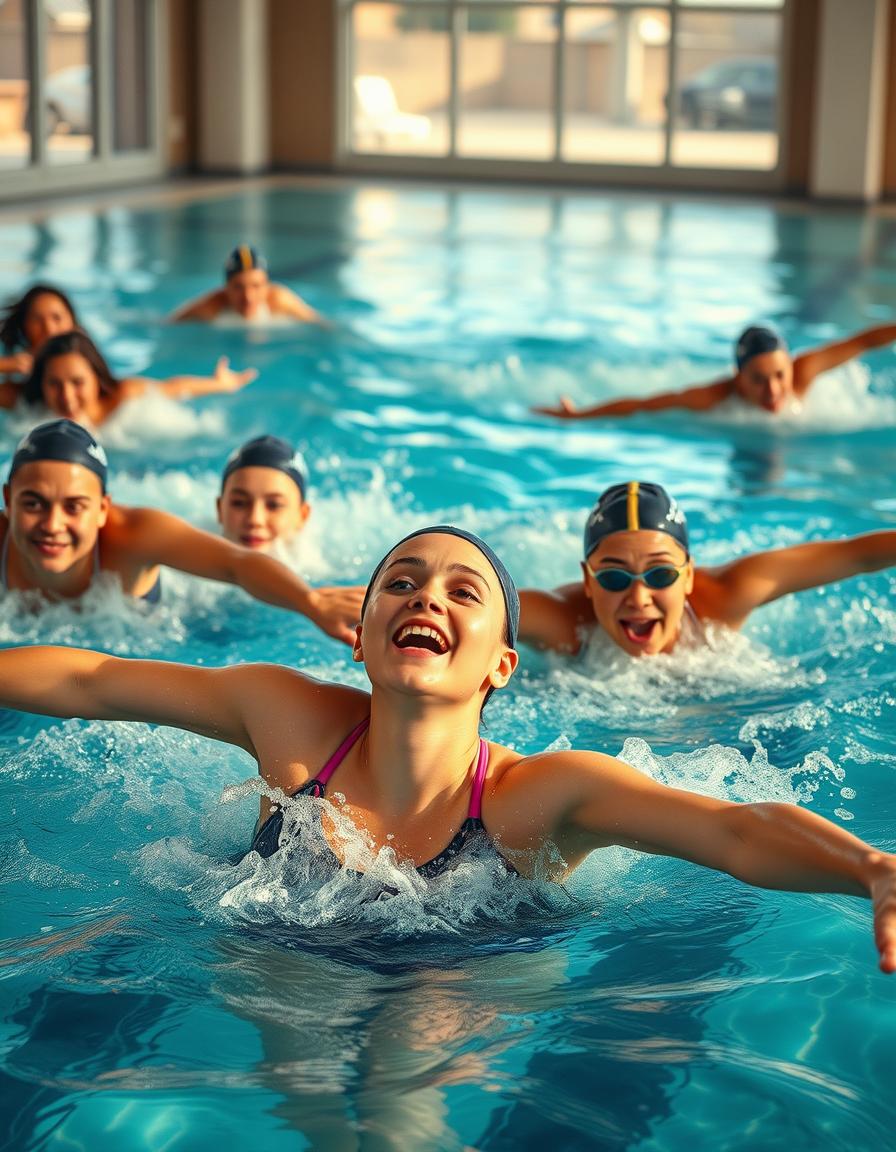
Swimming is one of the best full-body workouts you can do. It’s gentle on the joints, burns lots of calories, and helps improve your overall fitness. If you want to lose weight while having fun in the water, swimming workouts for weight loss might be just what you need. Whether you’re a beginner or a seasoned swimmer, there are ways to structure your sessions to maximize fat burning and boost your metabolism.
Why Swimming is Great for Weight Loss
Swimming combines cardio and strength training in one activity, making it excellent for shedding pounds. Unlike running or cycling, the water supports your body, reducing the risk of injury. Plus, water resistance works like natural weights, toning your muscles as you swim. The cooler temperature also pushes your body to work harder to keep warm, increasing calorie burn.
If you’re tired of the same old gym routine, swimming offers a refreshing change. From freestyle to breaststroke, every stroke engages different muscle groups. This variety keeps your body guessing and prevents workout boredom. Remember, consistency is key — regular swimming workouts for weight loss will get you closer to your goals.
How to Structure Swimming Workouts for Weight Loss
To lose weight effectively, you need to combine intensity, duration, and variety in your swim sessions. Here’s a simple way to put it together:
- Warm-Up: Start with 5–10 minutes of easy swimming to prepare your muscles.
- Main Set: Alternate between moderate and high-intensity intervals to keep your heart rate up.
- Cool-Down: Swim slowly for 5 minutes to help your body relax and recover.
Example Workout Plan
| Segment | Activity | Duration / Reps | Intensity |
|---|---|---|---|
| Warm-Up | Easy freestyle swim | 10 minutes | Low |
| Main Set | 50-meter sprints + 100-meter easy swim | 8 rounds | High / Moderate |
| Cool-Down | Breaststroke or backstroke slow swim | 5 minutes | Low |
Different Types of Swimming Workouts for Weight Loss
Not all swimming workouts are created equal. Mixing up your routine is key to keeping progress steady and avoiding plateaus. Here are some types of sessions you can try:
Interval Training
This involves swimming hard for short bursts, followed by a rest or easy swim. Interval training boosts your metabolism and burns more calories than steady swimming at one pace. For example, swim one lap as fast as you can, then swim two laps slowly to recover. Repeat several times.
Endurance Swimming
Longer sessions at a steady pace help increase aerobic fitness and burn fat. If you’re new to swimming, start with 20-30 minutes of continuous swimming at a comfortable speed and gradually increase the time. Moving steadily in the water can feel like a peaceful escape while you torch calories.
Technique-Focused Sessions
Improving your stroke efficiency can make swimming more enjoyable and effective. Try drills that work on your breathing, arm movement, or kick. Better technique means you swim smarter, not just harder. Many swimmers overlook this, but it’s worth trying to enhance your results.
Circuit or Mixed Workouts
Combine different strokes, drills, and swimming speeds in one session. For example, swim freestyle for 5 minutes, then breaststroke for 5 minutes, followed by kickboard drills. This keeps your body engaged and targets various muscle groups, helping to tone your entire body.
Tips to Maximize Weight Loss with Swimming
- Be Consistent: Aim for at least 3-4 swimming workouts for weight loss each week.
- Eat Smart: Swimming burns calories, but you still need to watch what you eat for the best results.
- Mix It Up: Change your strokes and workout intensity to keep your body adapting.
- Use Equipment: Tools like kickboards or fins can add variety and challenge different muscles.
- Track Progress: Note lap times or distance to see improvements and stay motivated.
Common Mistakes to Avoid
Many people expect swimming to melt fat without any effort. The truth is, just splashing around won’t do the trick. To lose weight, you must push your body enough to increase your heart rate and burn calories consistently. Also, skipping warm-ups or ignoring recovery can lead to injuries or burnout.
Another mistake is relying solely on one stroke. For instance, freestyle is great but using backstroke and breaststroke adds balance to your workouts. And don’t forget nutrition — it’s like the fuel in your car, so choose wisely.
Additional Benefits of Swimming Workouts
Besides weight loss, swimming workouts improve cardiovascular health, flexibility, and mental well-being. It’s a low-impact form of exercise that can reduce stress and anxiety. Plus, learning proper body alignment and incorporating exercises like Scapular Retraction Exercises can improve your shoulder health, which is essential for swimming efficiently.
Many swimmers find themselves sleeping better and feeling more energetic after regular swim sessions. If you’re looking for an enjoyable way to get fit without pounding the pavement, swimming is a fantastic choice.
Sample Weekly Swimming Workout Schedule
| Day | Workout Type | Focus |
|---|---|---|
| Monday | Interval Training | High-intensity sprints |
| Wednesday | Technique and Drills | Stroke improvement |
| Friday | Endurance Swim | Long steady swim |
| Sunday | Mixed Workout | Different strokes and drills |
Conclusion
Swimming workouts for weight loss offer a fun and effective way to shed pounds while improving your health. The water’s resistance works your muscles, and varying your workouts keeps your body challenged. Whether you prefer fast sprints or calm endurance swims, consistent effort will pay off.
Don’t be afraid to experiment with different strokes or include drills that sharpen your form. Remember to combine swimming with a balanced diet and rest to see the best results. Soon enough, you’ll notice your energy levels rising, your clothes fitting better, and your confidence soaring—all thanks to making the pool your new workout buddy.

Swezz is the founder of Burn Zone Diet, a platform dedicated to helping people transform their health through smarter choices and sustainable habits.