
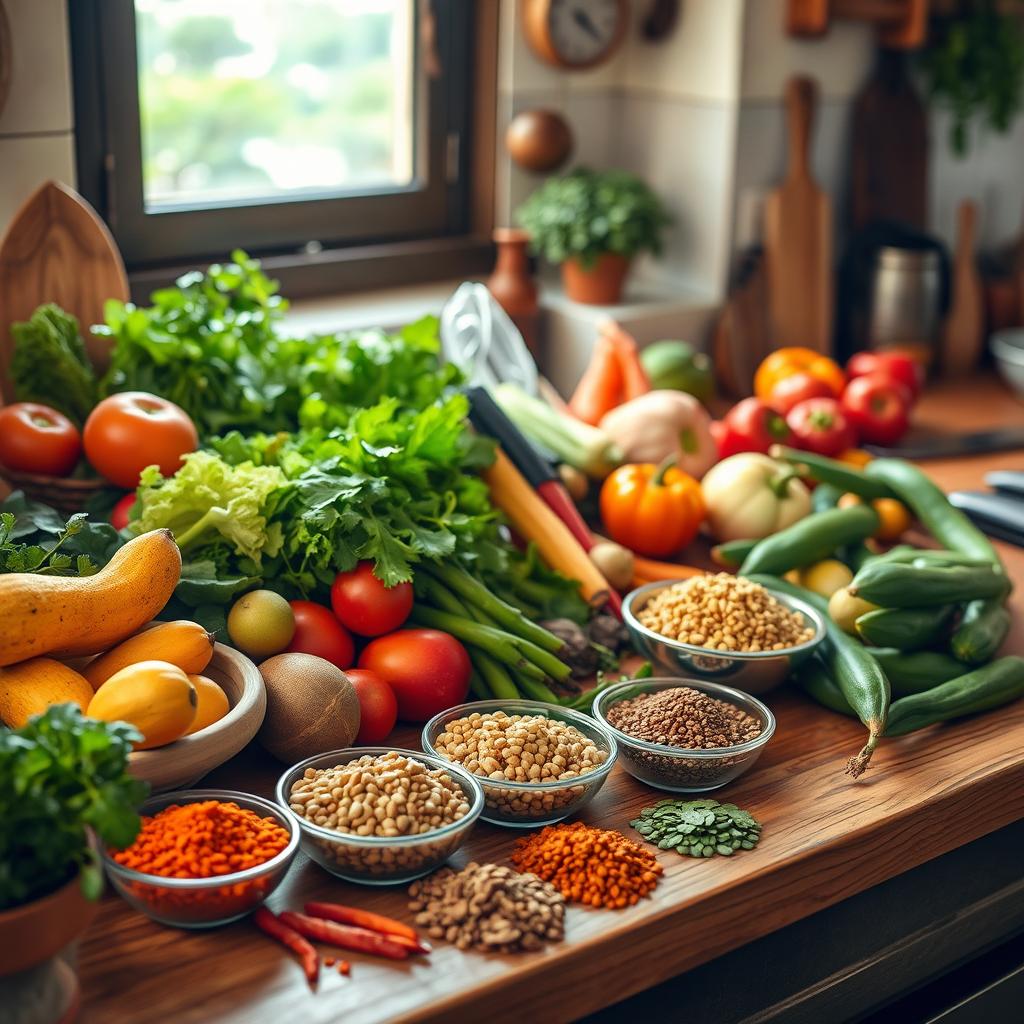
Did you know that your diet in the first three months of pregnancy plays a crucial role in your baby’s development and your own well-being? A thoughtfully planned diet during pregnancy in India can help manage common symptoms like morning sickness and fatigue while ensuring you get all the essential nutrients your body needs.
What to Eat During the First Trimester
If you’re wondering “What’s the best food for the first trimester?”, focus on nutrient-dense choices. Here’s a quick guide to help:
- Vitamin B6-rich foods: Bananas, nuts, and lentils can curb nausea.
- Iron-packed meals: Spinach and chickpeas boost energy and fight fatigue.
- Protein sources: Paneer, eggs, or grilled fish help support muscle growth for you and your baby.
- Healthy fats: Coconut, ghee, and small portions of nuts for brain development.
Indian Meal Plan Ideas
For vegetarian options, try a mix of daal, sabzi, roti, and rice with a side of curd. Non-vegetarians can enjoy egg curry, grilled chicken, or steamed fish along with Indian staples like rice and chapatis. Always remember to eat small meals every few hours to keep nausea at bay!
Feeling overwhelmed? Don’t worry it’s all about balance, variety, and listening to your body. What’s working for you so far?
Why Diet Is Crucial in the First Trimester
The first trimester is an exciting yet transformative time for expectant mothers, as your body gears up to nurture a new life. What you eat during these initial months profoundly impacts not only your health but also the development of your baby. Nutrient requirements are heightened during this time, making it essential to plan meals thoughtfully. Let’s break down why proper nutrition matters and how certain foods can help you sail through your first trimester with confidence.
Key Nutrients That Support Early Pregnancy
To ensure a healthy start for your baby, focus on incorporating the following essential nutrients:
- Folic Acid: A superstar nutrient in early pregnancy, folic acid is vital for preventing neural tube defects. Load up on spinach, citrus fruits, lentils, and fortified cereals.
- Iron: Iron supports increased blood volume and helps transport oxygen to your baby. Foods like chickpeas, lean meats, and dark leafy greens are excellent sources.
- Protein: Responsible for building your baby’s tissues, protein is crucial during this stage. Don’t shy away from eggs, fish, and cottage cheese in your first trimester meal plan.
- Calcium: Essential for the development of your baby’s bones and teeth, calcium-rich foods like dairy products, tofu, and almonds should be included in your daily meals.
- Fiber: If nausea or fatigue has slowed you down, fiber-packed foods such as oats, apples, and whole grains can help regulate digestion and prevent constipation.
The Connection Between Nutrition and First Trimester Challenges
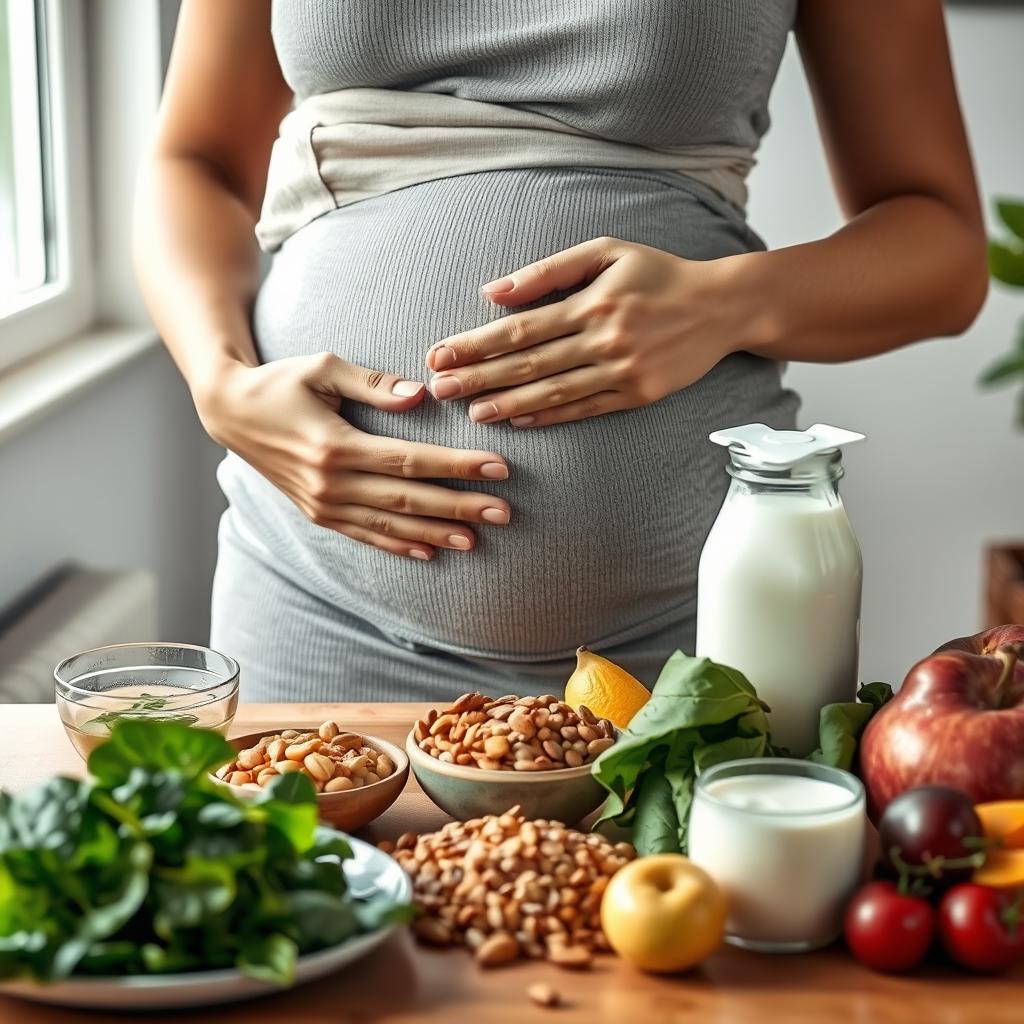
Morning sickness, fatigue, and fluctuating energy levels are common during this phase. Wondering what to eat during the first trimester to feel better? Balanced meals can ease these symptoms. For example, small snacks rich in vitamin B6 like bananas or nuts can reduce nausea. Hydration is just as important, so sipping ginger tea or coconut water throughout the day can work wonders. Additionally, mindful portion control can prevent bloating and maintain steady energy.
Curious about staying active while focusing on nutrition? Engaging in low-impact exercises, like core bag exercises, can complement your diet and boost overall well-being.
Proper nutrition isn’t just about maintaining your health it directly supports fetal growth during the critical early months. By focusing on nutrient-dense foods alongside a personalized approach, you’re setting the foundation for a healthy and happy pregnancy journey. So, which foods will you add to your grocery list this week?
What to Eat During the First Trimester
Are you wondering what foods to prioritize as you step into the exciting journey of your first trimester? Your diet during these crucial months can significantly impact both your health and your baby’s development. That’s why focusing on nutrient-rich, balanced meals is essential. Let’s explore some wholesome, easy-to-digest options and beneficial ingredients to keep you energized and nourished.
Whole Grains and Pulses: Whole grains like quinoa, brown rice, and oats are excellent sources of energy and fiber, keeping digestion smooth while supporting your growing baby. Pulses like moong dal and red lentils are packed with protein and iron, making them pregnancy-friendly staples.
Fruits and Vegetables: Opt for a colorful mix of seasonal produce to load up on vitamins, antioxidants, and hydration. Fruits like bananas (rich in vitamin B6), apples, and oranges can help manage nausea, while vegetables such as spinach, carrots, and bottle gourd contribute necessary iron and folate.
Indian Traditional Foods: Comforting, easy-to-digest dishes like idli, dalia, khichdi, curd rice, and moong dal are highly recommended during this trimester. They’re light on the stomach, packed with nutrients, and soothing for morning sickness. Pair these meals with a glass of coconut water to stay hydrated and replenish electrolytes naturally.
Safe Indian Spices: Turmeric and cumin are your flavor allies. Turmeric’s anti-inflammatory properties and cumin’s ability to support digestion make them valuable additions to your meals. However, avoid excessive intake of spices like fenugreek and asafoetida, which may trigger discomfort.
- Include small servings of whole grains like oats, buckwheat, or millet daily.
- Add one bowl of pulses or legumes such as moong dal for protein.
- Snack on fruits like bananas to ease nausea and keep your energy levels steady.
- Incorporate fiber-rich vegetables like spinach and carrots into your meals.
- Drink coconut water a few times a week for hydration and essential minerals.
Remember, your first trimester diet is all about balance and simplicity. By choosing nutrient-dense foods and avoiding excess spices, you can lay the groundwork for a healthy pregnancy. Always consult your healthcare provider for tailored advice that fits your unique needs.
Best Foods for the First Trimester in Indian Diet
During the first trimester of pregnancy, every morsel counts, especially when you’re nurturing your health and your baby’s development. A thoughtfully balanced diet isn’t just essential it can dramatically ease common symptoms like morning sickness while ensuring optimal nutrition. So, what should go on your plate? Let’s explore the best Indian foods that merge taste and nutrition.
Folic Acid: The Unsung Hero
Folic acid plays a pivotal role in neural development, making it a must-have for moms-to-be. Include nutrient-packed foods like fresh spinach, tangy oranges, and hearty black gram (chana). Feeling snacky? Grab a banana it’s not only rich in folic acid but also easy on the stomach. Add these greens and fruits to smoothies, dals, or stir-fried dishes to keep your meals light and flavorful.
Iron-Rich Foods: Boosting Energy and Oxygen
Iron is your ally in combating fatigue and supporting the baby’s growing blood supply. Indian superfoods such as beetroot, jaggery, and dates work wonders here. Pair these with vitamin C-rich foods (like citrus fruits) to increase iron absorption. Green leafy vegetables, like fenugreek and mustard leaves, can be sautéed in ghee for a wholesome, iron-packed side dish.
Protein Sources: Building Blocks for Growth
Protein helps your baby’s tissues develop while maintaining your energy levels. Everyday staples like paneer, boiled eggs, dals, tofu, and nuts are excellent options. Try a glass of milk or sprinkle some crushed nuts over breakfast porridge for a nourishing start to the day. Don’t forget the classics palak paneer or moong dal to keep your meals protein-dense yet comforting.
Managing Morning Sickness with Light Meals
Feeling queasy? Light meals can be your best friend. Stick to simple dishes like curd rice, idlis, or soups that are gentle on your stomach. Small quantities can make a big difference, so divide your meals into smaller portions throughout the day. If convenience is your concern, you can also explore purple carrot frozen meals for balanced, ready-to-eat options.
Quick Nutritional Glance
Below is a handy breakdown of nutrient-rich foods you should prioritize during the first trimester:
| Category | Best Foods | Benefits |
|---|---|---|
| Folic Acid | Spinach, Black Gram, Oranges, Bananas | Supports neural tube development |
| Iron | Beetroot, Dates, Jaggery, Green Leafy Vegetables | Improves energy and oxygen transport |
| Protein | Paneer, Boiled Eggs, Dals, Tofu, Milk, Nuts | Assists tissue and muscle growth |
| Light Meals | Idlis, Curd Rice, Simple Soups | Helps reduce nausea and morning sickness |
Personalize your meals based on what works for you because every pregnancy journey is different!
First Trimester Indian Meal Plan (Vegetarian & Non-Vegetarian Options)
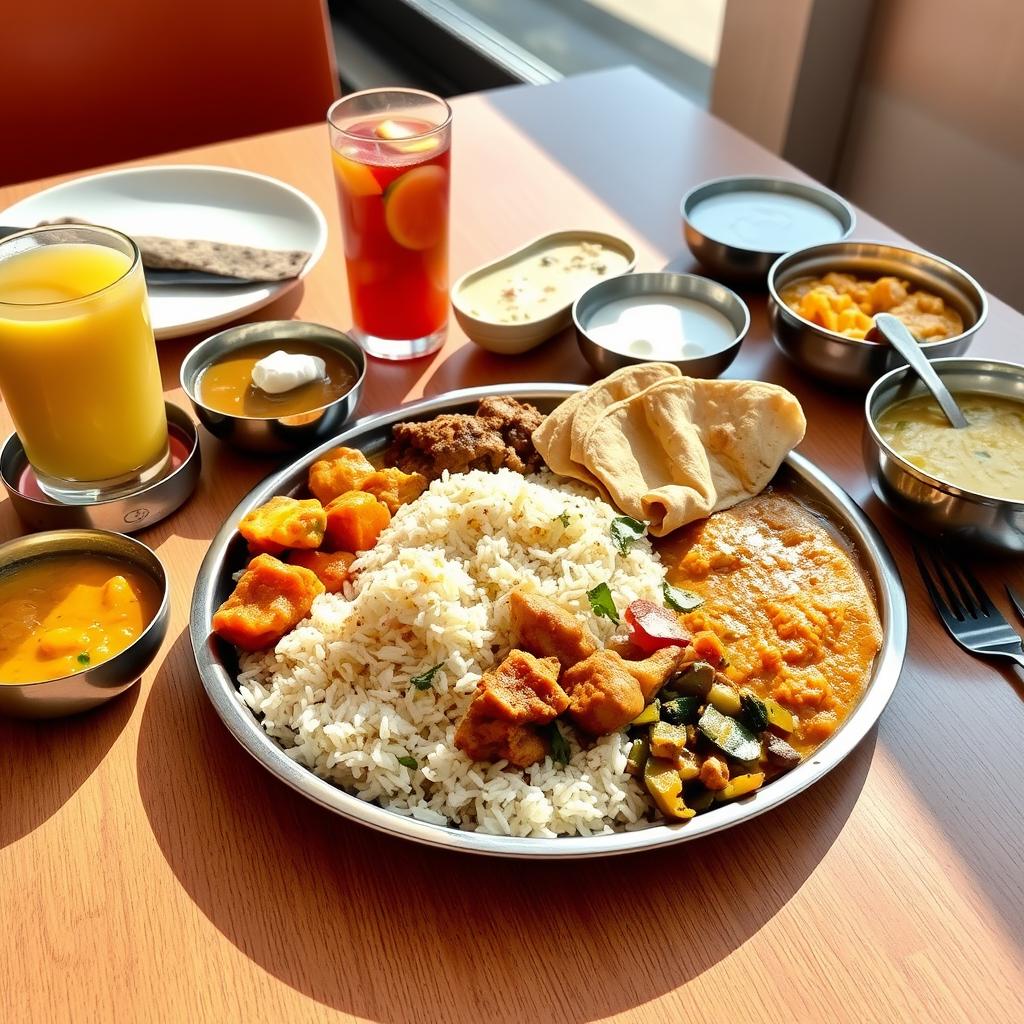
Balancing nutrition during the first trimester is critical for both the mother’s well-being and the baby’s development. Whether you’re looking for vegetarian or non-vegetarian options, here’s a sample 1-day Indian meal plan tailored to keep you energized and support your health during those early months. Struggle with nausea or food aversions? Don’t worry this plan includes easy adjustments to ensure you’re meeting your nutrient needs without feeling overwhelmed.
Sample 1-Day Meal Plan
- Early Morning: Begin with a glass of warm water infused with lemon or ginger to soothe the stomach. Pair it with soaked almonds or walnuts for a dose of healthy fats.
- Breakfast: Opt for a bowl of vegetable upma or poha with a sprinkle of roasted peanuts. Add a side of fresh fruit, such as banana or papaya, for natural sugars and vitamin B6.
- Mid-Morning: A smoothie made with yogurt, spinach, and mango is a refreshing way to sneak nutrients like calcium, iron, and folate into your diet.
- Lunch: Enjoy chapati with sautéed seasonal vegetables and a bowl of dal for protein. Include a small serving of curd to aid digestion. For non-vegetarian options, swap the dal for grilled chicken or lightly spiced fish curry.
- Snack: Munch on roasted makhana or a handful of trail mix with seeds and dried fruits. If you’re feeling more adventurous, khichdi with ghee is a comforting choice.
- Dinner: Keep it light with vegetable soup, paired with a multigrain roti or rice. Add a side of boiled eggs or paneer tikka for protein balance depending on your preference.
Weekly Rotating Options
For variety, consider rotating in traditional favorites like idli-sambar, rajma chawal, baingan bharta, or biryani with moderation. If nausea or food aversions strike, focus on bland yet nutritive options like plain rice with yogurt or mashed potatoes with spices.
Personalizing your first trimester meal plan is essential. If you’re experiencing low appetite, break meals into smaller portions spread across the day a practice known as nutrient timing. As always, consulting with a healthcare professional can help ensure your plan aligns with specific health needs.
1 to 3 Month Pregnancy Diet Chart (Indian Format)
Planning your pregnancy diet for the first trimester can feel overwhelming, but breaking it into weeks makes it much easier. Let’s explore a thoughtfully designed Indian diet chart, tailored for each stage from week 1 to week 12, to help you stay on track while enjoying delicious, nutrient-packed meals.
| Weeks | Recommended Foods | Meals & Snacks (Examples) | Dos and Don’ts |
|---|---|---|---|
| 1–4 |
|
|
|
| 5–8 |
|
|
|
| 9–12 |
|
|
|
Remember, this diet chart is a guideline, not a strict rulebook. Always consult your doctor before making major dietary changes. Are you excited to try these ideas? Start by incorporating one meal suggestion into your routine today!
Indian Pregnancy Diet: Do’s and Don’ts
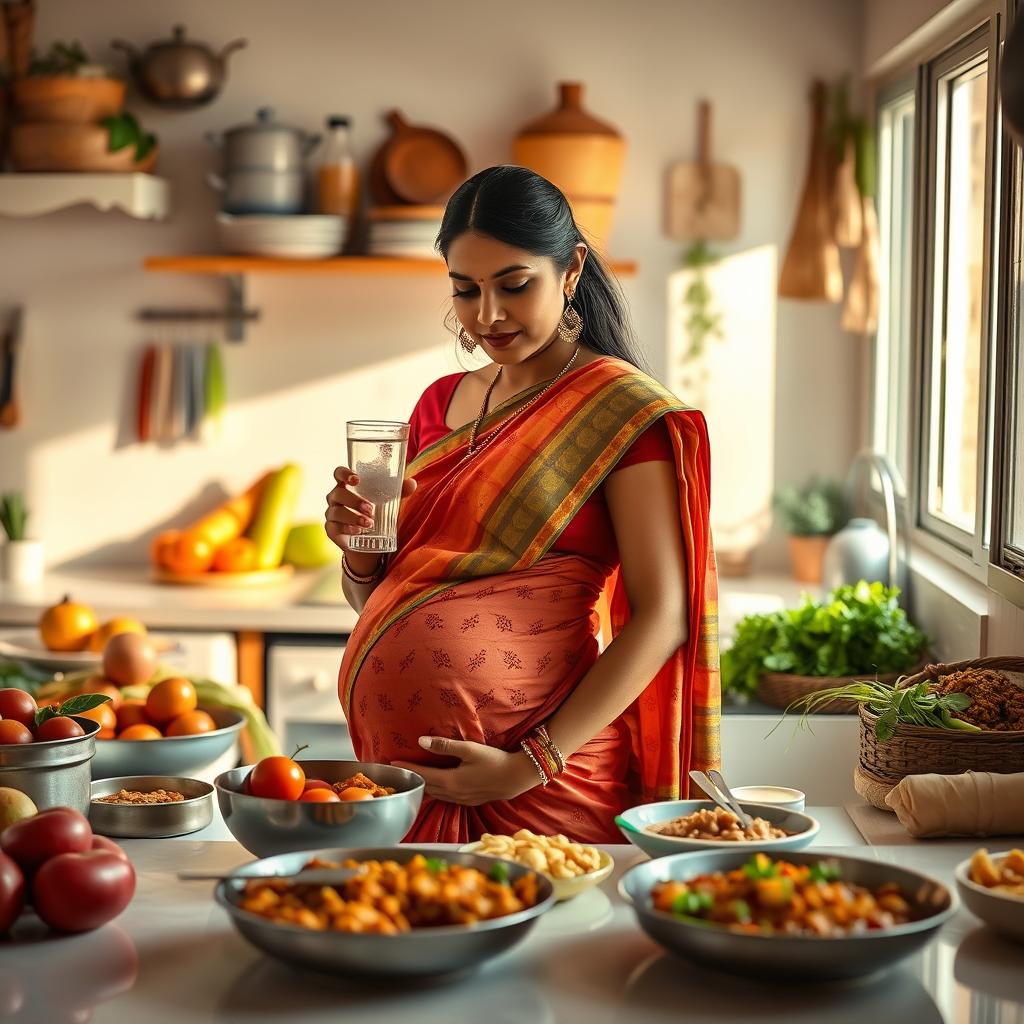
Pregnancy is a transformative journey, and the choices you make during these initial months play a crucial role in your baby’s development and your well-being. When crafting your diet, knowing what to embrace and what to avoid is just as essential as following a well-structured routine. Here’s a detailed look at the do’s and don’ts for an effective and safe pregnancy diet particularly for Indian mothers.
What to Avoid
While a plethora of delicious options beckon, certain foods can pose risks during pregnancy. Steering clear of these will help ensure optimal health for you and your baby:
- Raw Papaya: This fruit contains compounds that could trigger premature contractions, making it a risky choice.
- Excessive Caffeine: Although tempting, limit coffee, tea, and colas to avoid high caffeine intake, which may interfere with fetal growth.
- Unpasteurized Milk and Cheese: These items can harbor harmful bacteria, putting you at risk for foodborne illnesses.
- Junk Food: Opting for highly-processed snacks may lead to nutrient deficiencies and blood sugar spikes, especially if managing gestational diabetes.
Important Habits to Build
Alongside the foods to sidestep, adopting certain habits can make a world of difference in your pregnancy diet. Take note of these essential practices:
- Stay Hydrated: Drink plenty of water throughout the day hydration supports amniotic fluid levels and overall maternal health.
- Eat Small, Frequent Meals: To manage nausea and maintain balanced energy levels, aim for meals every 2–3 hours instead of traditional large portions.
- Avoid Long Gaps Between Meals: Long fasting periods can lead to energy crashes and aggravate morning sickness symptoms.
One golden rule is to personalize your diet plan based on your unique needs, whether you’re dealing with gestational diabetes or simply aiming for optimal pregnancy health. Consulting your OB-GYN or a nutritionist ensures you tailor your meals and snacks according to your pre-pregnancy weight, activity levels, and overall health. Wondering how to align all these essentials within a practical framework? Dive into a resource like the 1 to 3 month pregnancy diet chart indian, which offers structured guidance to ease your planning process. Balancing the right foods, habits, and professional advice will help you lay the foundation for a healthy, joyous pregnancy.
Encouraging Balanced Eating with Flexibility
During the first trimester, your body undergoes significant changes, and staying attuned to its cues is just as crucial as following a planned meal approach. Wondering what to eat during the first trimester? A flexible yet balanced diet filled with essential nutrients is key to supporting both your health and your baby’s development.
Here’s a simple framework for building your 1 to 3 month pregnancy diet chart (Indian):
- Breakfast: Start with protein-packed options like scrambled eggs or moong dal chilla, paired with whole-grain toast. Add a handful of fresh fruits like bananas or apples for natural sweetness.
- Mid-Morning Snack: Opt for nuts (almonds, walnuts) or seeds (chia, sunflower) for an energy boost and a dose of healthy fats.
- Lunch: A bowl of brown rice with dal and steamed veggies provides a mix of carbs, protein, and fiber. Include yogurt or curd for probiotics.
- Evening Snack: Freshly made vegetable soup or a plate of boiled chickpeas are great choices to ease hunger pangs.
- Dinner: Keep it light yet nutritious with rotis, palak paneer, and a side of cucumber salad.
As you plan these meals, listen to your body’s cravings and appetite changes. Feeling energetic one day and fatigued the next? Adjust portion sizes and timing accordingly. And don’t forget if you’re managing specific health conditions like gestational diabetes, stick to smaller, controlled portions while avoiding high-sugar foods.

Swezz is the founder of Burn Zone Diet, a platform dedicated to helping people transform their health through smarter choices and sustainable habits.