
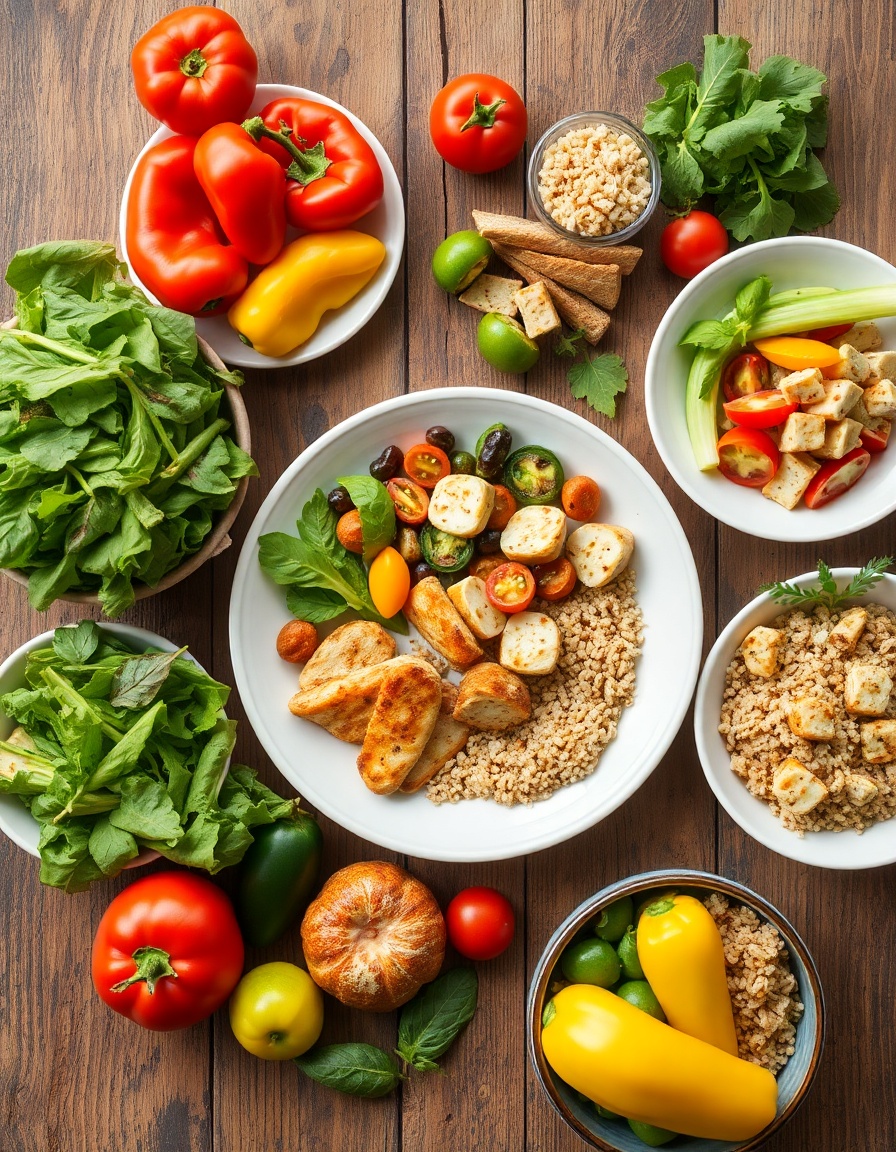
Undergoing gastric sleeve surgery is a big step toward improved health and weight loss. However, the journey doesn’t end there. What you eat after the surgery plays a major role in how successful your results will be. That’s where the gastric sleeve reset diet comes in. This special plan is created to help your stomach heal, support weight loss, and give you a fresh start on healthy eating habits.
What Is the Gastric Sleeve Reset Diet?
The gastric sleeve reset diet is a simple, step-by-step eating plan for people who have had gastric sleeve surgery. Its goal is to help the stomach recover while promoting steady weight loss. Because the stomach is smaller, it can only hold a little food at a time. This diet focuses on nutrient-rich, easy-to-digest foods that keep you full and nourished without causing discomfort.
Think of it as hitting the “reset” button on your eating habits, helping your body adjust to the changes after surgery and setting you up for long-term success.
Phases of the Gastric Sleeve Reset Diet
The diet usually unfolds in phases, each tailored to your healing process and digestive system’s readiness.
| Phase | Duration | Focus | Example Foods |
|---|---|---|---|
| Clear Liquids | 1-3 days | Hydration and gentle nourishment | Broth, water, sugar-free gelatin, herbal tea |
| Full Liquids | 3-7 days | High-protein liquids for healing | Protein shakes, milk, strained soups, yogurt (sugar-free) |
| Pureed Foods | 7-14 days | Soft textures that are easy to swallow | Mashed potatoes, pureed veggies, smooth nut butter |
| Soft Foods | 2-4 weeks | More texture; protein-rich choices | Soft meats, cooked veggies, eggs, soft fruits |
| Regular Foods | After 4-6 weeks | Balanced eating; healthy portions | Lean meats, whole grains, fresh veggies, fruits |
Key Principles of the Gastric Sleeve Reset Diet
Focus on Protein
Protein is the star of this diet. It helps repair tissues and keeps your muscles strong. Try to include lean protein sources like chicken, fish, eggs, or plant-based options at every meal. Protein shakes can also be handy, especially in the early phases.
Small, Frequent Meals
Your smaller stomach means eating three large meals won’t work anymore. Aim for 5-6 small meals throughout the day. This helps prevent discomfort and keeps your energy steady. Plus, it trains your stomach to feel full with smaller portions.
Stay Hydrated
Drinking water throughout the day is crucial, but avoid gulping down large amounts at once. Sip slowly and steer clear of drinking 30 minutes before and after meals to prevent feeling overly full too fast.
Limit Sugars and Fats
Too much sugar and fat can cause unpleasant side effects like dumping syndrome, which makes you feel weak, dizzy, or nauseous. Instead, opt for whole foods and healthy fats like avocado or olive oil in moderation.
Sample Daily Meal Plan
Here’s a sample of what a day on the gastric sleeve reset diet might look like during the soft foods phase:
- Breakfast: Scrambled eggs with a small portion of avocado.
- Mid-morning snack: Greek yogurt (unsweetened, low-fat).
- Lunch: Soft cooked chicken breast with mashed cauliflower.
- Afternoon snack: Protein shake with almond milk.
- Dinner: Steamed fish with well-cooked carrots and green beans.
- Evening snack: Cottage cheese or a small portion of fruit.
Tips for Success
- Eat slowly and chew thoroughly. It helps your stomach digest better and prevents irritation.
- Use a food diary or app to track your meals and progress.
- Listen to your body. Stop eating when you feel full, even if there’s food left.
- Keep snacks healthy and prepared so you’re not tempted by junk food.
- Consult your healthcare provider or dietitian regularly to adjust your diet as needed.
Common Challenges and How to Overcome Them
Lack of Appetite
Right after surgery, appetite might be very low—that’s okay. Focus on small amounts of high-protein liquids and slowly increase solid foods. Sometimes, adding flavor with mild herbs or spices can make eating more enjoyable.
Feeling Full Too Quickly
This is expected and a sign that your stomach is healing. Eating slowly and in small bites helps. If discomfort continues, talk to your doctor.
Boredom with Food Choices
Eating similar foods daily can get dull. Spice things up by trying new herbs, textures, and recipes that fit your diet stage. Even simple changes can make meals more exciting.
Activity and Lifestyle
Eating right is just one part of the recovery puzzle. Staying active in a way that feels good for you is important, too. Gentle activities like walking or light stretching can help speed healing and improve mood. For a unique way to build strength safely, consider checking out Core Bag Training. It’s low-impact and focuses on core muscles, which support your body during this new phase of life.
When to Seek Help
If you experience severe nausea, vomiting, extreme pain, or signs of infection, contact your healthcare provider. Also, if you find it hard to meet your protein needs or lose too much weight, professional advice can keep you on track.
Conclusion
The gastric sleeve reset diet is a practical and gentle way to help your body adjust after surgery. By focusing on small, protein-rich meals and staying hydrated, you give yourself the best chance to heal well and reach your goals. Remember, patience and listening to your body go a long way. With some creativity and support, this diet can set the stage for a healthier, happier you.

Swezz is the founder of Burn Zone Diet, a platform dedicated to helping people transform their health through smarter choices and sustainable habits.